Battle of Hastings: A Bold Military Embroidery Review
As an experienced embroidery designer preparing for a busy weekend at the local craft fair, I spend a lot of time evaluating which machine embroidery design files will actually convert browsers into buyers. This weekend, I am focusing on historical and military-themed items, and the Battle of Hastings design has caught my eye. When you are standing behind a booth filled with handmade goods, you need products that stop people in their tracks. This review breaks down how this specific Military category Embroidery file performs in a real-world retail setting, from the initial visual impact to the practicalities of batch production.
First Impressions and Visual Impact
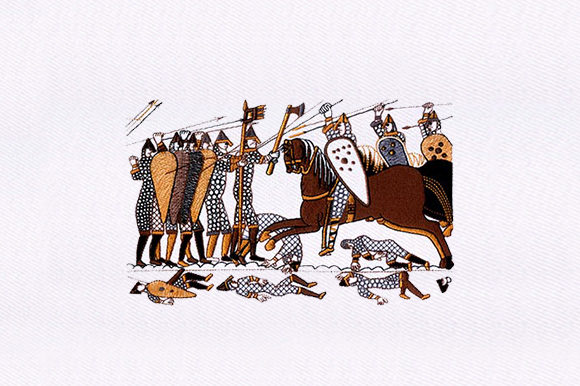
The moment I loaded the Battle of Hastings onto my screen, the first impression was undeniably bold. Unlike soft, farmhouse-style florals or minimalistic line art, this design carries weight. It feels historic, dramatic, and premium. For a craft fair audience, this is crucial. Customers walking down an aisle see hundreds of cute and cozy items; a design that evokes a specific historical event stands out because it tells a story. The aesthetic is not "cute" in the traditional sense; it is authoritative and decorative in a way that appeals to history buffs, teachers, and those who appreciate heritage aesthetics.
In terms of color potential, this design likely relies on strong contrasts. Whether rendered in traditional tapestry tones or modern high-contrast threads, the subject matter demands clarity. As a digital embroidery file, its success hinges on how well those details translate to fabric. If the design features knights, shields, or heraldic elements, it needs to look sharp from three feet away to grab attention on a crowded display table.
Best Products for Maximum Sales
Not every product is suitable for every design. After reviewing the Battle of Hastings motif, I have identified specific craft fair product categories where this design will shine brightest.
- Tote Bags and Market Bags: This is arguably the best application. A large canvas tote allows the design to be the focal point. History enthusiasts love carrying their books or groceries in bags that reflect their interests. As a tote bag design, it offers high visibility for your brand while providing utility to the customer.
- Aprons: For the home cook who loves history, an apron featuring this scene transforms a kitchen tool into a conversation piece. The flat surface of an apron bib is ideal for capturing the intricacies of a battle scene without distortion.
- Tea Towels: While popular, tea towels require caution. If the Battle of Hastings design has fine lines, the looped texture of a waffle weave or heavy cotton towel might eat up those details. However, on a smooth linen blend, it makes for a sophisticated tea towel embroidery gift.
- Patches and Caps: An embroidered patch is a fantastic low-cost entry point for customers. Placing this design on a cap requires checking the curvature, but if executed well, it creates a wearable piece of history.
- Pillow Covers: Home decor is a huge seller. A pillow cover with this design adds a rustic or academic touch to a living room, appealing to customers looking for unique, non-mass-produced decor.
Production Practicality and Batch Efficiency
When running a small shop or preparing for an Etsy seller launch, efficiency is key. Can this design be repeated easily? The answer depends heavily on the stitch density and complexity. Historical scenes often involve many color changes and dense fill areas to create depth. Before committing to a full production run, you must verify the thread colors required. If the design uses twelve different shades of brown and gold, your production time per unit increases significantly compared to a two-color logo.
For batch production, consistency is vital. You need to ensure that every finished product looks identical. This means marking your fabric precisely and using the same tension settings throughout the day. If you plan to sell these as small shop product staples, consider creating a jig or template to speed up the hoarding process. The design should work as both a large focal piece on a tote and potentially a smaller accent on a pouch, provided the details do not merge together when scaled down.
Critical Considerations for Fabric and Technique
There are several technical hurdles to clear before selling Battle of Hastings items. First, consider the fabric texture. Thick fabrics like denim or heavy canvas may cause small details to get lost if the needle cannot penetrate cleanly or if the fabric pushes up around the stitches. Conversely, very thin fabrics might pucker under heavy stitch counts.
You must also pay close attention to the hoop size. Historical battle scenes are often wide. Ensure your machine can accommodate the necessary dimensions without needing to re-hoop mid-design, which can lead to registration errors. Additionally, curved surfaces like caps present a challenge; the design might distort if it is too wide or if the elements are not spaced correctly for a curved plane.
Dark fabric is another factor. If you intend to stitch this on black or navy backgrounds, you may need to add an underlay or adjust the thread palette to ensure the image pops. Without proper contrast, a complex scene can look muddy and indistinct, reducing the perceived value of the handmade product.
Enhancing Brand Value and Customer Engagement
Using a distinct theme like the Battle of Hastings helps build brand consistency. If your booth or online store specializes in historical or educational themes, this design reinforces your identity. It signals to the customer that you offer more than just generic items; you offer curated, thoughtful design assets turned into tangible goods.
Visual appeal drives buyer engagement. A well-executed embroidery piece demonstrates quality. When a customer sees tight stitching, clean pull-offs, and vibrant thread colors, they perceive higher value. This allows you to price your items higher than mass-market equivalents. Furthermore, having a physical sample—like a finished tote or pillow—is essential for your booth display. People need to touch the texture and see the sheen of the thread to understand the quality of your commercial embroidery work.
Designer Notes for Final Preparation
Before listing this item on Etsy or placing it on your craft fair table, follow these essential steps:
- Test on Scrap Fabric: Always stitch a test run on the exact material you plan to sell. Check for puckering, thread breaks, or registration issues.
- Check Thread Contrast: View the test stitch-out from a distance. Does the image read clearly? Adjust thread choices if necessary.
- Review Spacing and Density: Ensure there is enough space between elements so they don't blend into a solid block of thread.
- Confirm Hoop Size: Verify that the design fits your available hoops without compromising the layout.
- Inspect Stitch Density: High density can make fabric stiff. Balance detail with drape, especially for wearables like aprons.
- Use the Right Stabilizer: Match your stabilizer to the fabric weight. Heavy designs need strong support to prevent sagging over time.
- Create a Real Mockup: Take photos of the actual stitched item for your printable mockup needs and online listings. Real photos sell better than digital renderings.
- Compare Fabric Colors: Test the design on light, medium, and dark fabrics to see which combination yields the best sales appeal.
- Verify Licensing: Crucially, confirm the commercial licensing terms of the embroidery file. Ensure you are allowed to sell finished products made with this design.
The Battle of Hastings design offers a unique opportunity to tap into a niche market of history lovers and heritage enthusiasts. By carefully selecting the right products, managing production variables, and presenting the items with professional flair, this machine embroidery design can become a standout star in your handmade inventory. Remember, the available formats including 10O, ART, CND, DSB, DST, DSZ, EXP, HUS, PES, TAP, VIP, and VP3 provide flexibility, but always double-check compatibility with your specific machine before starting your production run.