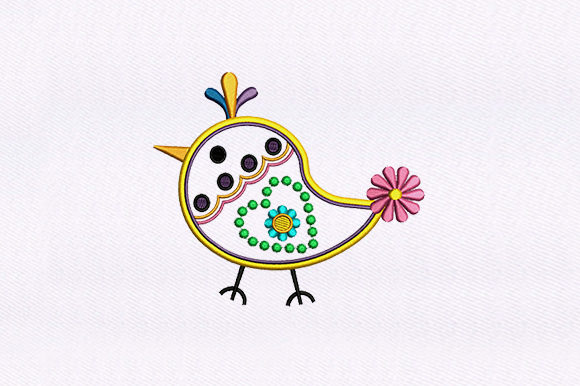
Crafted Yellow Bird Design: A Craft Fair Best-Seller Review
As an embroidery designer who has spent countless weekends behind a booth at local craft fairs and handmade markets, I know that the difference between a slow Saturday and a sold-out inventory often comes down to one thing: visual impact. When I first pulled up the Crafted Yellow Bird Design on my screen, my immediate reaction was one of optimism. In a sea of generic florals and overused quotes, a bright, cheerful bird motif offers exactly the kind of pop needed to stop a scrolling customer or a walking shopper in their tracks. This review breaks down how this specific machine embroidery design performs in the real world, from the hoop to the hands of a happy customer.
First Impressions and Market Appeal
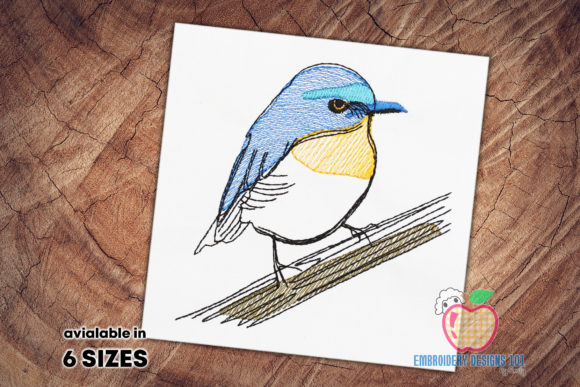
The title "Crafted Yellow Bird Design" suggests something intentional and artisanal, which aligns perfectly with the current demand for handmade product authenticity. The use of yellow is strategic; it is a color associated with happiness, energy, and warmth. At a busy market, where lighting can be inconsistent, yellow tends to glow even under tent shadows. This design feels less like a stiff corporate logo and more like a whimsical addition to a home or wardrobe. It strikes a balance between cute and rustic, making it versatile enough for a farmhouse kitchen or a modern nursery. For an Etsy seller or boutique maker, this versatility is gold. It allows you to target multiple niches without changing your core inventory.
Ideal Products for Maximum Sales
When planning my table display for an upcoming weekend fair, I evaluated where the Crafted Yellow Bird Design would shine brightest. The key is matching the scale of the bird to the canvas of the product.
- Tote Bags and Market Bags: This is likely the strongest contender. A medium-sized placement on the lower corner of a canvas tote creates an instant tote bag design that feels custom and high-end. The yellow contrasts beautifully against natural cotton or navy blue fabrics.
- Kitchen Linens: Tea towel embroidery is a staple for craft fairs. Placing this bird near the hem of a waffle-weave or flour sack towel adds a charming focal point. It transforms a basic utility item into a giftable small shop product.
- Aprons: For the cooking enthusiast, apron embroidery featuring a cheerful bird on the bib or pocket adds personality. It suggests a love for home and hosting, which resonates deeply with buyers looking for unique gifts.
- Patches and Pouches: If the design scales down well without losing detail, it makes an excellent embroidered patch. Sewing these onto denim jackets or small fabric pouches creates low-cost impulse buy items that keep cash flowing during slow hours.
Production Practicality and Batch Efficiency
From a production standpoint, time is money. When preparing for a fair, I need designs that are repeatable and reliable. The Crafted Yellow Bird Design appears to have clean lines, which usually translates to fewer thread breaks and faster run times. However, before committing to a batch of fifty items, there are critical factors to consider regarding the digital embroidery file itself.
The availability of multiple formats—including DST, PES, EXP, and JEF—means this embroidery file is compatible with almost any machine setup, from home hobbyists to commercial multi-needle units. This flexibility is crucial if you outsource some of your production or switch machines. However, since the exact stitch count and specific hoop requirements are not listed in the brief description, it is vital to download the sample or check the product details thoroughly. You must confirm the hoop size needed to ensure it fits your smallest intended product, such as a cap or a small pouch.
Navigating Fabric Textures and Stitch Density
One of the most common pitfalls in commercial embroidery is ignoring fabric texture. A design that looks crisp on smooth quilting cotton might struggle on a textured terry cloth towel or a thick denim cap. The Crafted Yellow Bird Design likely relies on solid fill areas to create its bold yellow presence. If the stitch density is too high, it could cause puckering on lightweight fabrics or stiffness on wearables like caps.
Conversely, if the density is too low, the backing fabric might show through, especially with bright yellow thread on dark materials. My advice is to always test the design on scrap fabric that matches your final product. Pay close attention to the edges of the bird; jagged edges can ruin the premium feel of a finished product. Additionally, consider the thread colors. Using a high-sheen rayon or polyester thread can make the yellow pop, but ensure it contrasts sufficiently with the fabric. A yellow bird on a cream background might get lost, whereas the same design on charcoal or slate blue would command attention.
Visual Merchandising and Online Presence
Beyond the physical stitching, the success of this design depends on how it is presented. For online listings, a high-quality printable mockup is essential. Since this is a digital asset, creating realistic images of the bird on various products helps customers visualize the craft fair product in their own lives. Does it look good on a pillow cover? Would it work as a centerpiece on a table runner? Showing these variations increases perceived value.
In a physical booth, arrangement matters. Grouping items featuring the Crafted Yellow Bird Design together creates a cohesive collection. This "brand consistency" helps buyers recognize your style immediately. Whether it is a set of matching tea towels and an apron, or a coordinated line of tote bags and pouches, the repetition of the motif reinforces quality and intentionality.
Final Designer Notes for Success
To truly maximize the potential of this design, treat it as a serious business asset rather than just a decorative element. Before listing it for sale or using it in your inventory, verify the licensing terms. Ensure you have the rights to sell finished product items made with this file, as some designers restrict commercial use. Once cleared, focus on the details that elevate the item from "homemade" to "hand-crafted luxury."
Use the right stabilizer for every fabric type; cut-away for stretchy knits and tear-away for stable wovens. Check the spacing if you plan to add text, ensuring the bird remains the star. Finally, inspect every single piece before it goes to market. A loose thread or a misaligned hoop can detract from the charm of the bird. By paying attention to these nuances, the Crafted Yellow Bird Design can become a cornerstone of your product line, driving engagement and sales through its simple yet effective appeal.