Panda with Baby Machine: A Designer's Real-World Review
When I first loaded the Panda with Baby Machine design into my digitizing software, my immediate reaction was one of cautious optimism. As someone who spends hours tweaking stitch paths and analyzing density for clients, I look for more than just a cute image; I need a file that translates well from screen to fabric without causing headaches during production. This design falls under the Wild Animals category, but its application goes far beyond simple novelty. It speaks directly to the nursery market, boutique baby wear, and personalized gift sectors where emotional connection drives sales.
First Impressions and Visual Personality
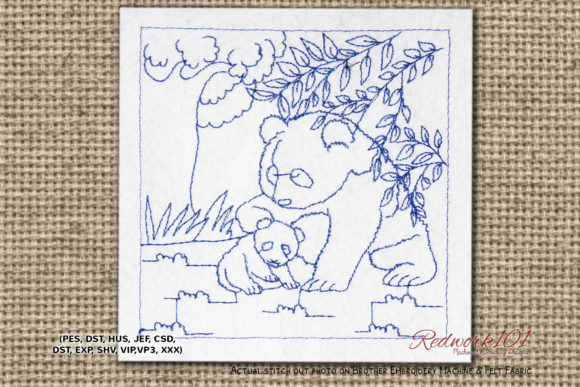
The visual personality of this machine embroidery design is undeniably soft and nurturing. The composition relies heavily on the relationship between the two figures, creating a mood of protection and tenderness that resonates instantly with parents and gift-givers. From a layout perspective, the balance feels intentional. The larger panda anchors the design, while the smaller figure adds a focal point that draws the eye inward.
One specific detail mentioned in the product notes caught my attention: "The Box Stitch shown in picture is optional." This is a crucial distinction for us as designers. It suggests flexibility. If you are aiming for a clean, modern look on a tote bag design or a minimalist sweatshirt embroidery, skipping the outer box allows the characters to breathe against the fabric texture. However, if you are creating an embroidered patch intended for iron-on application, that border might provide the necessary structural definition. The note also mentions that the color of the outer box varies unless it is part of the design itself, implying that you have control over the final aesthetic. This level of customization is vital for maintaining brand consistency across different small shop products.
Real-World Application Scenarios
To truly evaluate this file, I imagined a specific real-life scenario: a local boutique owner needs a run of twenty custom hoodies for a baby shower gift set. They want something that looks high-end but can withstand frequent washing. Here is how Panda with Baby Machine fits into that workflow.
For custom apparel like hoodies or sweatshirts, the design's scale is likely appropriate for a left-chest placement or a centered lower-front graphic. The theme aligns perfectly with baby embroidery trends, which favor gentle animals and family motifs. If executed correctly, this isn't just a decoration; it becomes a keepsake. For an Etsy seller, this design could be the centerpiece of a "Big Brother/Big Sister" announcement shirt or a matching parent-child set. The emotional weight of the image increases the perceived value of the finished product, allowing for a higher price point compared to generic text-based designs.
Beyond clothing, consider home decor. A pillow cover or a heavy cotton kitchen towel featuring this panda duo could serve as excellent holiday embroidery gifts. The sturdy nature of home decor fabrics often handles embroidery better than thin knits, reducing the risk of puckering. For those selling digital embroidery files, offering this as part of a "Nursery Collection" alongside other Wild Animals themes creates a cohesive catalog that appeals to crafters looking to build a themed inventory.
Technical Considerations and Fabric Challenges
While the aesthetic is strong, practical execution requires vigilance. Every embroidery project has its pitfalls, and understanding where this design might struggle is key to professional results.
- Fabric Selection: On stretchy fabrics like jersey knits, the stitch density becomes critical. If the panda's fur areas use dense fill stitches, the fabric may pucker or distort over time. I always recommend testing on scrap fabric first. For thin materials, a cut-away stabilizer is non-negotiable to support the weight of the thread.
- Dark Fabrics: The contrast of the panda against dark backgrounds needs careful planning. If the design relies on light thread colors, ensure the underlay is sufficient to prevent the base fabric from showing through, which can muddy the details. Comparing light and dark fabric mockups before stitching saves wasted materials.
- Small Hoop Sizes: If you intend to place this on a cap or a small pocket, verify the dimensions. Curved surfaces like caps introduce tension variables that can distort detailed corners. Ensure the design fits comfortably within your available hoop size without crowding the edges.
- Washability: Products meant for babies or kitchen use undergo rigorous washing cycles. Dense stitch areas must be locked down properly to prevent fraying. Inspect small details closely after the first wash to ensure longevity.
The Importance of the Optional Box
Revisiting the optional box element, this feature offers a strategic advantage for commercial users. When creating printable mockups for online listings, having the option to include or exclude a border allows you to showcase the design in multiple contexts. A bordered version looks like a traditional patch, suitable for denim jackets or backpacks. The borderless version integrates seamlessly into the garment, looking more like a direct print, which is currently trendy in boutique branding. Being able to skip the color directly in your machine settings gives you the agility to adapt to client requests on the fly.
Enhancing Brand Value and Customer Trust
Using a well-chosen design like Panda with Baby Machine affects more than just the look of a single item; it impacts your entire brand perception. Consistency in quality builds customer trust. If your handmade product features crisp satin stitch outlines and smooth fills without bird-nesting or gaps, customers associate that quality with your business name. Conversely, a poorly executed file can lead to returns and negative reviews.
For creative entrepreneurs, the visual appeal of this design aids in buyer engagement. In a crowded marketplace, images that evoke emotion stop the scroll. A panda holding its baby triggers an instinctive positive response, making it a powerful tool for marketing personalized gifts. Whether used for wedding gifts (perhaps for a new family announcement) or general merchandise, the design's clarity ensures it remains recognizable even at smaller sizes.
Final Designer Notes and Best Practices
Before committing this design to a paid client order or adding it to your inventory of design assets, adhere to these practical steps:
- Verify Licensing: Always confirm the license terms provided with the file. Ensure it covers both personal use and commercial embroidery projects if you plan to sell finished items.
- Thread Color Matching: Don't rely solely on the default thread chart. Check thread color contrast against your specific fabric choice. Sometimes a slight shift in shade makes the difference between a flat look and a dimensional one.
- Stitch Type Analysis: Identify where the design uses running stitch versus fill stitch. Running stitches are great for fine details but can get lost on textured towels. Fill stitches provide coverage but add bulk.
- Mockup Testing: Create black and white mockups to check the silhouette. If the design loses its shape without color, the digitizing might be too reliant on color changes rather than form.
- File Integrity: Since exact stitch counts and specific file formats weren't detailed in the brief description, download the sample or check the product page thoroughly to ensure compatibility with your specific machine brand.
In conclusion, Panda with Baby Machine offers a versatile foundation for a variety of Embroidery projects. Its strength lies in its emotional resonance and the flexibility offered by its optional elements. With proper testing and attention to fabric mechanics, it can be a reliable asset for anyone looking to create meaningful, high-quality stitched goods. Whether you are a hobbyist making a gift for a friend or an Etsy seller scaling up production, treating this file with the technical respect it deserves will yield professional results that stand the test of time.