Playing Maple Leaf: A Designer's Review for Holiday Collections
As the air turns crisp and the light begins to shift earlier in the afternoon, my mind immediately jumps to planning the seasonal product drop. For an Etsy seller or small shop owner, timing is everything. You need designs that capture the emotional essence of the season while performing flawlessly on a variety of textiles. Recently, I took a close look at the Playing Maple Leaf machine embroidery design to determine if it deserves a spot in my upcoming autumn and holiday lineup. This isn't just about picking a pretty picture; it is about evaluating how a digital file translates into a tangible, sellable finished product that customers will love.
The First Impression: Rustic Charm Meets Playful Elegance
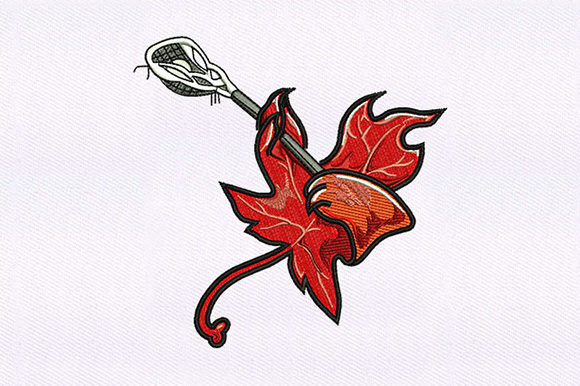
Upon loading the digital embroidery file into my editing software, the first thing that struck me was the balance between detail and playfulness. The title "Playing" suggests movement, and the design delivers on that promise without sacrificing the classic structure of a maple leaf. It feels less like a stiff botanical illustration and more like a whimsical celebration of fall. The emotional tone is undeniably cozy and nostalgic, evoking memories of crunching leaves underfoot and warm cider by the fire.
Visually, the design sits comfortably in the rustic-modern aesthetic. It is not overly ornate, which makes it versatile enough for both traditional home decor and contemporary apparel. With a stitch count of 19,276, it offers substantial coverage without becoming a dense block of thread that might compromise fabric drape. This level of detail suggests a premium quality that can elevate a basic item into a handmade gift worthy of gifting.
Strategic Applications for Seasonal Sales
When building a collection, versatility is key. The Playing Maple Leaf shines across several product categories, making it a strong candidate for a diverse inventory.
- Sweatshirt Embroidery: This is perhaps the most obvious application. The design's dimensions (4.84 inches wide by 4.83 inches high) fit perfectly on the chest or sleeve of a crewneck. It creates an instant focal point for limited edition fall apparel.
- Tote Bag Design: Canvas totes are staples for craft fairs. Placing this leaf centrally on a natural or olive-green tote creates a chic, eco-friendly look that appeals to shoppers looking for reusable bags during the holiday rush.
- Kitchen Towel Embroidery: Fall hosting season drives sales for kitchen linens. Stitching this onto waffle weave or flour sack towels adds a touch of seasonal warmth to a customer's dining table.
- Pillow Covers: Home decor buyers love swapping out accents for the holidays. This design works beautifully on linen or velvet pillow covers, adding texture and color to a living room.
- Embroidered Patches: Because the design is contained within a 5x5 area, it is ideal for creating iron-on or sew-on patches. These are low-cost, high-margin items that can be added to denim jackets or backpacks.
For those focusing on personalized gift options, the open space around the leaf allows for monogramming or adding names without crowding the main motif. This flexibility increases the perceived value of the item, allowing you to charge a premium for customization.
Technical Performance and Hoop Considerations
From a technical standpoint, the Playing Maple Leaf is designed for a 5×5 hoop, with actual dimensions of 122.9×122.6 mm. This is a crucial detail for production planning. While 5x5 is a standard size, it does limit the maximum scale of the design. If you intend to place this on large items like full-back jacket designs or oversized blanket throws, you may find the size slightly modest. However, for standard placement on apparel and accessories, it is ideal.
The stitch density appears well-balanced for general use, but caution is advised when working with specific materials. On thick terry cloth towels or heavy fleece, the 19,276 stitches should penetrate well, provided you use the correct stabilizer. I recommend using a cut-away stabilizer for stretchy garments like sweatshirts to prevent distortion over time, especially since these items will undergo repeated washing. For woven fabrics like linen pillow covers, a tear-away stabilizer should suffice, keeping the back of the work clean and professional.
One area requiring careful attention is the interaction with dark fabrics. The design's appeal relies heavily on the contrast of the thread colors. If stitching on navy or black fabric, ensure you select vibrant oranges, reds, and golds to maintain the "playing" energy of the leaf. Metallic threads could add a festive sparkle for holiday-specific runs, but test these carefully as they can sometimes increase breakage rates in detailed sections.
Maximizing Buyer Emotion and Brand Consistency
In the crowded marketplace of holiday embroidery, buyer emotion drives the sale. The Playing Maple Leaf taps into the desire for comfort and tradition. When creating your printable mockup or social media previews, focus on lifestyle imagery. Show the design on a steaming mug cozy, draped over a chair, or worn by a family enjoying a pumpkin patch. These contexts tell a story that resonates more than a flat image on a white background.
Consistency is also vital for brand trust. If your shop specializes in rustic, nature-inspired goods, this design reinforces your brand identity. It signals to the customer that you understand the season's aesthetic. Furthermore, offering this design across a range of products—from baby onesies to aprons—creates a cohesive "collection" feel, encouraging customers to purchase multiple items as gifts.
Practical Notes for the Commercial Embroiderer
Before listing this as a small shop product or incorporating it into your commercial embroidery workflow, there are a few final checks to perform. Always verify the file formats available. This design comes in a comprehensive list including DST, PES, JEF, and VIP, ensuring compatibility with most major machine brands. However, always run a test stitch-out on a scrap piece of your intended production fabric.
Pay close attention to the small details after the test run. Are the edges of the leaf crisp? Is there any puckering? These quality control steps prevent returns and negative reviews. Additionally, review the licensing terms associated with the embroidery file. Ensure that your intended use, whether selling physical finished goods or digital copies, aligns with the creator's permissions.
Finally, consider the categorization. While the source data mentions "Cleaning" as a category, in a retail context, this design fits best under Home Decor, Apparel, or Seasonal Gifts. Mislabeling can confuse customers, so curate your shop tags carefully to match shopper intent.
In conclusion, the Playing Maple Leaf is a robust, emotionally resonant design that holds significant potential for the upcoming season. Its blend of playful style and technical reliability makes it a smart choice for designers looking to expand their autumn offerings. With proper material selection and thoughtful marketing, this design can become a bestseller in your holiday collection.