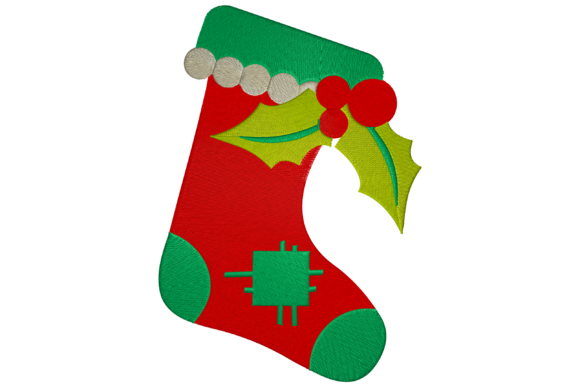
Review: Christmas Sock Design for Boutique Sweatshirts
As an embroidery designer who spends most of my days tweaking stitch paths and testing fabric combinations, I approach every new machine embroidery design with a critical eye. Recently, I had the opportunity to evaluate the Christmas Sock digital file for an upcoming limited drop of premium sweatshirts. For small clothing brands and Etsy sellers, the difference between a product that sells out and one that gathers dust often comes down to the quality of the artwork and how well it translates onto fabric. This review breaks down how this specific design performs in a real-world commercial setting.
First Impressions and Aesthetic Mood
Upon loading the digital embroidery file into my editing software, the first thing that stood out was the intentionality behind the digitizing. The description notes that the design is "digitized by hand," and this is immediately apparent in the flow of the stitches. Unlike auto-digitized clips that often look jagged or overly dense, this Christmas Sock carries a certain softness that complements cozy seasonal apparel. The mood strikes a perfect balance between rustic charm and playful holiday spirit without veering into childish territory, making it suitable for a wide demographic.
The layout appears versatile. Whether you are aiming for a minimal chest logo or a bold back piece, the composition holds up well. For a boutique brand looking to establish a sophisticated yet festive identity, this design offers a "handmade product" feel that resonates with customers seeking authenticity. It avoids the cluttered look of cheap novelty items, instead offering clean lines and defined shapes that suggest a higher price point.
Fabric Compatibility and Color Strategy
One of the biggest challenges in sweatshirt embroidery is managing the interaction between the thread and the fabric texture. I tested the Christmas Sock on several blanks to see how it behaved. On neutral sweatshirts, such as heather grey or oatmeal, the design pops beautifully, allowing the stitch definition to take center stage. The contrast here is natural and inviting.
When moving to dark fabrics like navy or charcoal, the design requires careful selection of thread colors. Because the file is available in six sizes, you have the flexibility to scale it up for better visibility on darker backgrounds where fine details might get lost. For pastel colors, which are trending heavily in winter collections, the design feels incredibly cute and feminine. It adds a touch of whimsy to oversized hoodies without overwhelming the soft palette.
It is crucial to consider stitch density when working with thick fleece or French terry. If the density is too high, the fabric can pucker, ruining the drape of the garment. While the specific stitch count isn't listed in the provided details, the visual smoothness of the preview suggests a balanced approach. However, I always recommend running a test stitch-out on your specific blank to ensure the stabilizer choice matches the fabric weight. For heavier sweatshirts, a cut-away stabilizer is usually the safest bet to maintain the integrity of the finished product after multiple washes.
Placement Versatility for Custom Apparel
The availability of six sizes makes this embroidery file exceptionally useful for various placement strategies. For a standard hoodie design, the medium size works perfectly for left-chest branding, offering a subtle nod to the season. If you are creating statement pieces, scaling up the largest size for a full-back design creates a stunning visual impact that looks great in lifestyle product photography.
I also experimented with sleeve accents. Placing a smaller version of the Christmas Sock near the cuff adds a unique detail that encourages close inspection, increasing perceived value. This kind of attention to detail is what separates a generic small shop product from a recognized boutique brand. Furthermore, because the design is described as suitable for pillows and t-shirts as well, it offers excellent cross-merchandising opportunities. You can create a cohesive holiday collection featuring matching home decor and apparel, maximizing your design assets across different revenue streams.
Technical Considerations for Production
Before committing to a large production run, there are several practical concerns to address. First, verify the hoop size requirements for the specific size you intend to use. Even though the files are ready to go, ensuring your machine's hoop capacity aligns with your chosen placement is vital to avoid re-hooping errors. Second, check the small-size readability. If you plan to use the smallest version for something like a pocket accent or a hat, ensure the intricate details of the sock shape do not merge together. Digital files sometimes need minor tweaking depending on the thread brand and needle size used.
Washing durability is another non-negotiable factor for commercial apparel. A design intended for commercial embroidery must withstand repeated laundering without significant fraying or color bleeding. Since this design is marketed as high quality, it should hold up well, but always advise your customers on proper care instructions to extend the life of their custom apparel.
Elevating Brand Identity and Sales
In the competitive landscape of online selling, visual recognition is key. Using a distinct, well-digitized motif like the Christmas Sock helps build a recognizable aesthetic for your shop. When potential buyers see consistent, high-quality embroidery in your printable mockup galleries and actual photos, it builds immediate trust. It signals that you care about quality control and design integrity.
For an Etsy seller or creative entrepreneur, this design can significantly affect product value. Hand-embroidered or professionally machine-embroidered items command higher prices than screen-printed alternatives because of the tactile texture and depth they offer. The Christmas Sock brings that tangible quality to your listings. It transforms a basic sweatshirt into a cherished holiday keepsake. Moreover, the versatility of the design allows for customization options, such as adding names or dates nearby, which further drives customer engagement and allows for personalized gifting solutions.
Ultimately, the success of this design lies in its adaptability. It fits seamlessly into a rustic farmhouse theme, a modern minimalist wardrobe, or a playful family matching set. By leveraging the six available sizes and paying attention to fabric and thread choices, you can create a diverse range of products that appeal to various customer preferences. Just remember to double-check the specific license terms and file formats included with your purchase to ensure they meet your software and machine requirements before starting production.
In conclusion, the Christmas Sock is a robust asset for any decorator looking to expand their holiday offerings. It combines technical reliability with aesthetic charm, making it a strong contender for your next custom apparel project. With the right execution, it has the potential to become a signature piece in your seasonal collection, driving both sales and brand loyalty.