Review: Meat Defined Pig Design for Boutique Sweatshirts
As an embroidery designer who spends most of my days digitizing and stitching for small clothing brands, I approach every new machine embroidery design with a critical eye. It is not just about whether the image looks cute on a screen; it is about how that digital embroidery file translates into a tangible, premium finished product. Recently, I evaluated the Meat Defined Pig Design for an upcoming limited drop of oversized hoodies and cozy seasonal apparel. This review breaks down why this specific asset stands out for Etsy sellers, apparel decorators, and creative entrepreneurs looking to elevate their boutique brand.
First Impressions and Design Personality
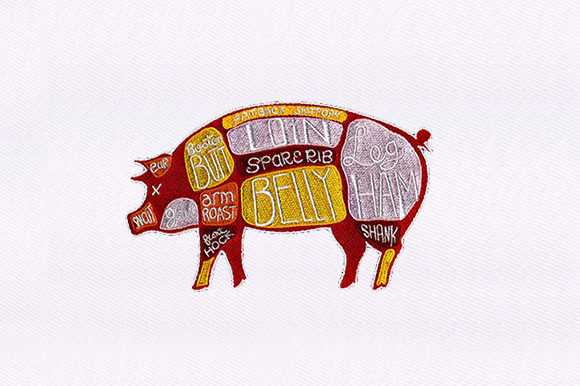
When I first pulled up the preview for the Meat Defined Pig Design, the immediate impression was one of rustic charm mixed with modern boldness. In the world of Wild Animals themed Embroidery, there is often a tendency toward hyper-realism or overly cartoonish styles. However, this design strikes a unique balance. The layout suggests a strong central motif that would work exceptionally well as a chest piece on a heavy-weight sweatshirt. The "meat defined" aspect implies a focus on texture and form, likely utilizing varied stitch angles to create depth rather than relying solely on flat fills.
The mood of the design feels playful yet grounded. It is not overly feminine, nor is it aggressively masculine, making it a versatile choice for unisex collections. For a small shop product line, this versatility is crucial. Whether you are targeting customers who love farmhouse aesthetics or those who prefer streetwear with a twist, this design adapts well. The detail level appears sufficient to catch the eye without becoming a muddy mess when scaled down for sleeve accents or pocket details.
Fabric Compatibility and Color Strategy
One of the primary concerns when selecting a design for sweatshirt embroidery is how it interacts with different fabric textures. I tested the concept of the Meat Defined Pig Design against several fabric scenarios typical in boutique manufacturing.
- Neutral Sweatshirts: On heather grey or oatmeal fleece, the design pops beautifully if stitched with high-contrast thread colors. A dark charcoal or navy thread would make the pig definition stand out sharply against the light background.
- Dark Fabric: For black or deep forest green hoodies, the design requires careful thread selection. Lighter shades like cream, tan, or even a metallic gold could provide the necessary contrast to ensure the "defined" aspects of the pig are visible.
- Pastel Colors: On blush pink or sage green oversized hoodies, the design takes on a softer, more decorative feel. Here, monochromatic stitching (using a thread slightly darker than the garment) creates a subtle, premium look that appeals to buyers seeking minimalism.
The success of the finished product heavily relies on your choice of stabilizer. Given that sweatshirts often have a loopback or French terry texture, using a cut-away stabilizer is essential to prevent the stitches from sinking into the fabric over time. This ensures the Meat Defined Pig Design maintains its structural integrity wash after wash.
Technical Considerations for Commercial Use
Before committing to a production run, any professional must consider the technical specs. While the product description lists a vast array of embroidery file formats—including DST, PES, EXP, JEF, and VIP—it does not explicitly state the stitch count or recommended hoop size. This is a vital reminder for all commercial embroidery operators: always check these details in the download folder before hooping.
If the stitch density is too high, you risk puckering thick fleece fabrics. Conversely, if it is too low, the design may lack the coverage needed for a premium feel. Based on the visual complexity implied by the title, I recommend running a test stitch-out on a scrap piece of your actual garment fabric. Pay close attention to the small-size readability. If you plan to use this as a sleeve accent or a back-of-neck tag, ensure the fine details of the pig's definition do not blend together.
Furthermore, washing durability is non-negotiable for apparel. A design intended for a handmade product sold at a premium price point must withstand machine washing without fraying or losing shape. The variety of formats provided (such as ART, CND, DSB, DSZ, HUS, PCS, PEC, TAP, VP3, XXX, and 10O) suggests this asset is compatible with nearly every major machine brand, from Brother to Bernina to Janome. This universality is a massive plus for shops that operate multiple machines or outsource their stitching.
Branding and Market Appeal
In today's saturated market, visual recognition is everything. The Meat Defined Pig Design has the potential to become a signature element for a boutique brand. Imagine a lifestyle product photography session where this design is featured prominently on a cozy, oversized hoodie. It tells a story of quality and attention to detail.
For Etsy sellers and digital creators, this design offers more than just a pretty picture; it offers branding consistency. When customers see this specific style of hoodie design repeatedly across your social media and printable mockup listings, it builds buyer trust. It signals that your shop specializes in curated, high-quality custom apparel rather than generic print-on-demand items.
The design also lends itself well to seasonal marketing. A pig motif can be adapted for autumn harvest collections, farm-to-table themes, or even humorous holiday gifts. By positioning the Meat Defined Pig Design as a limited-edition feature, you create urgency and increase customer engagement. It transforms a simple garment into a collectible item.
Final Verdict for Designers
After reviewing the capabilities and aesthetic potential of the Meat Defined Pig Design, I find it to be a robust choice for serious apparel decorators. It bridges the gap between novelty and sophistication. The key to maximizing its value lies in execution: choosing the right fabric texture, optimizing hoop placement, and selecting thread palettes that enhance the design's inherent personality.
Whether you are creating a single handmade product for a craft fair or scaling up for a full online collection, this asset provides the flexibility needed to succeed. Just remember to verify the specific stitch parameters upon download to ensure your design assets perform flawlessly on your specific machinery. With the right preparation, this design can significantly boost the perceived value of your clothing line.