Truck and Camper Redwork Design Review
As an embroidery designer who has spent years digitizing and stitching logos for small businesses, I approach every new machine embroidery design with a critical eye toward commercial viability. It is not enough for a file to look pretty on a screen; it must withstand the rigors of production, washing, and daily wear while elevating a brand's identity. Today, I am reviewing the Truck and Camper Redwork Design, a file categorized under Transportation, to determine its suitability for branded merchandise, staff uniforms, and boutique product lines.
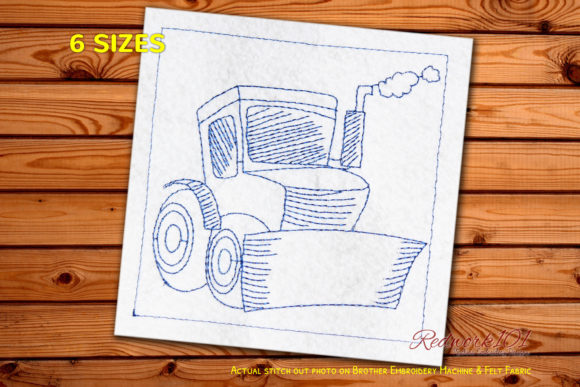
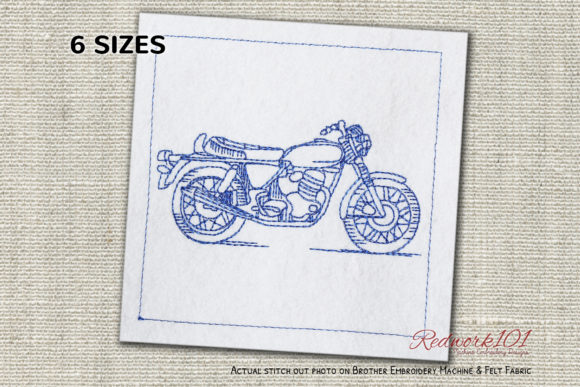
My first impression of this design is that it strikes a perfect balance between rustic charm and professional simplicity. The "Redwork" style, traditionally known for using a single thread color to create outline-based imagery, offers a timeless aesthetic that feels both handmade and premium. For small business owners in the café, florist, or creative studio sectors, this visual personality suggests authenticity. It does not scream "mass-produced"; instead, it whispers "crafted with care." This distinction is vital when building brand identity for handmade products or local services where trust and personal connection are paramount.
Real-World Applications for Small Business Merch
The true test of any digital embroidery file is its versatility across different substrates. The Truck and Camper Redwork Design excels here due to its likely low stitch density and clean lines. For a boutique selling outdoor gear or a travel-themed coffee shop, this design is ideal for creating an embroidered patch. Patches are a massive trend in small business merch right now, allowing customers to customize their own jackets or bags. Because redwork typically avoids heavy fill stitches, the resulting patch remains flexible and lightweight, avoiding the stiff, cardboard-like feel that plagues poorly digitized logos.
Beyond patches, this design is a strong contender for apron embroidery in bakeries and artisanal kitchens. A subtle truck motif on the chest pocket of a canvas apron adds a touch of whimsy without overwhelming the uniform. Similarly, for cap embroidery, the simplified nature of redwork ensures that the design does not pucker the curved front panel. Complex designs with high stitch density often distort on hats, but a line-based approach like this maintains its integrity. I can also envision this working beautifully as a sleeve detail on work shirts or as a primary logo on tote bags, where the contrast of a single thread color against natural cotton fabric creates a striking, minimalist look.
Technical Considerations for Production
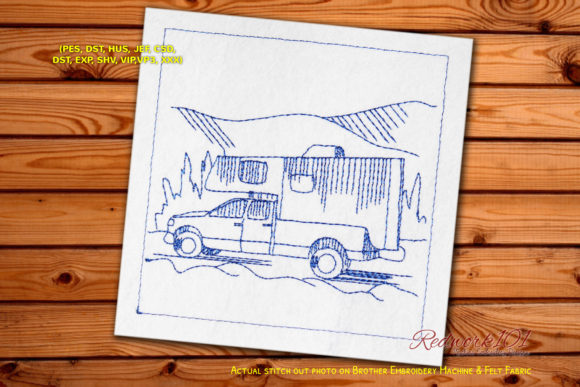
While the aesthetic appeal is high, there are technical factors every embroiderer must consider before running a production batch. The product description notes that "The Box Stitch shown in picture is optional" and that the outer box color varies. This is a crucial detail for commercial embroidery projects. If you are stitching on dark uniforms, you must ensure the thread color provides sufficient contrast. Redwork relies entirely on the visibility of the line; if the thread blends into the fabric, the design vanishes. I strongly advise testing the design in black and white first on your specific fabric stock to verify visibility before committing to colored threads.
Furthermore, the note stating "you can skip the color directly" implies that the digitizer has structured the file to allow for easy editing. This is excellent news for custom apparel creators who need to match specific brand colors. However, you must confirm the hoop size requirements before purchasing. If your business focuses on tiny labels or small pocket logos, ensure the design scales down without losing definition. Tiny lettering or intricate outlines can merge together if the design is reduced too far, especially on textured fabrics like terry cloth or heavy denim. Always create a printable mockup and stitch a sample on the actual material to check spacing and clarity.
Impact on Brand Perception and Value
In the competitive landscape of Etsy sellers and craft businesses, the perceived value of a finished product often hinges on the quality of its branding. Using a cohesive set of design assets like the Truck and Camper Redwork Design can significantly enhance customer trust. When a customer receives a tote bag or a hat with a crisp, well-executed embroidered logo, it signals professionalism. It tells them that the business cares about details. Conversely, a design that pulls, puckers, or looks cluttered can cheapen the perception of the entire brand.
This specific design supports a narrative of adventure, reliability, and home—themes that resonate deeply with consumers. Whether used by a pet brand selling bandanas or a local brewery creating limited-edition gear, the imagery fosters an emotional connection. It transforms a simple utility item into a piece of merchandise that customers want to display. This drives buyer engagement and encourages word-of-mouth marketing, as people are more likely to wear and show off items that feature elegant, understated branding rather than loud, overly complex graphics.
Essential Designer Notes for Buyers
Before integrating this file into your workflow, there are several practical steps to take. First, review the thread colors included in the file. Even though it is a redwork style, ensure the recommended shades align with your corporate palette. Second, inspect the spacing between lines. In redwork, negative space is just as important as the stitching; crowded lines can lead to thread breaks or bird-nesting during high-speed machine runs.
You must also select the proper stabilizer. While redwork is generally lighter, using a cut-away stabilizer is often safer for garments that will undergo frequent washing, ensuring the design does not distort over time. For temporary items or event merch, a tear-away might suffice, but for long-term custom apparel, durability is key. Finally, and perhaps most importantly, confirm the commercial licensing terms. The description hints at flexibility with the box stitch, but you must verify that the license permits unlimited production runs for resale. Never assume; always check the documentation provided with the embroidery file to protect your business legally.
In conclusion, the Truck and Camper Redwork Design is a robust asset for any embroidery professional or small business owner looking to expand their product line within the Transportation category. Its blend of classic styling and technical simplicity makes it a versatile choice for patches, uniforms, and retail goods. By paying attention to fabric texture, thread contrast, and stabilization, you can leverage this design to create high-value merchandise that strengthens your brand and delights your customers.