Band Leading Bug: A Craft Fair Designer's Review
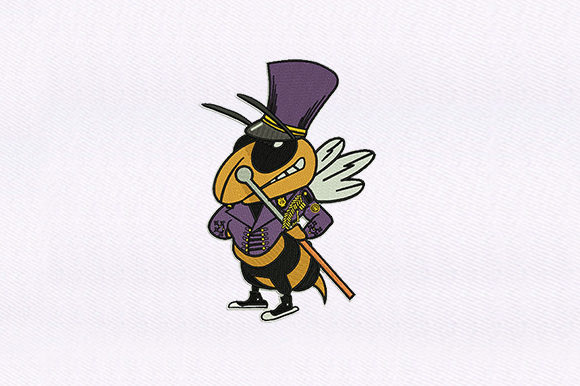
As I prepare my booth for the upcoming weekend craft fair, I am constantly evaluating which machine embroidery design will stop customers in their tracks. My table needs a mix of practical items and whimsical gifts that scream "handmade quality." Today, I am taking a close look at the Band Leading Bug. This isn't just another digital file; it is a potential star for my craft fair product lineup. With a hoop size of 5×7 and dimensions of 4.62 inches by 6.82 inches, this design offers substantial presence without overwhelming smaller items.
First Impressions and Visual Appeal
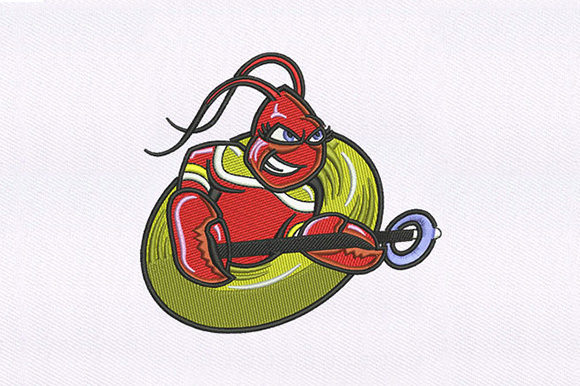
The moment I loaded the preview of Band Leading Bug, I noticed its bold character. In the world of Bugs and nature-themed Embroidery, there is often a struggle between making something too cute or too realistic. This design strikes a balance that feels modern yet rustic. The title suggests a sense of leadership or prominence, and the visual weight of the 42,797 stitches confirms this. It is not a delicate, barely-there accent; it is a statement piece.
For a busy craft fair environment, visibility is everything. Customers walk past tables quickly, and their eyes need to catch something interesting within seconds. The scale of this design, nearly 7 inches tall, makes it perfect for focal points. It feels decorative and premium, likely to appeal to buyers looking for unique home decor or standout apparel. Whether you are an Etsy seller creating listings or a boutique maker setting up a physical display, this design has the "pop" factor necessary to drive engagement.
Ideal Products for Maximum Impact
When deciding where to place Band Leading Bug, I immediately thought of larger surface areas. A standard tote bag design often gets lost if the graphic is too small, but at 4.62 inches wide, this bug commands attention on a canvas tote. It would look fantastic centered on the front of a market bag, turning a simple grocery carrier into a fashion statement.
Kitchen linens are another strong category. For apron embroidery, placing this design on the bib or the lower skirt creates a fun, thematic look for the home cook. Similarly, tea towel embroidery benefits from the vertical height of the design. However, one must be careful with fabric texture. A waffle-weave towel might distort the finer details, so a smooth linen or cotton blend is recommended to maintain clarity.
I also see great potential for embroidered patch production. By using a cut-away stabilizer and satin stitching the edges, this design could be turned into iron-on patches for jackets or hats. While the 5×7 hoop size is too large for a standard baseball cap front, it is perfect for tote bags, pillow covers, and wall hangings. For a small shop product line, offering this as a finished pillow cover could significantly increase perceived value compared to selling the digital file alone.
Production Practicality and Stitch Density
From a production standpoint, the stitch count of 42,797 indicates a dense and robust design. High stitch density generally means better coverage and a more luxurious feel, but it also requires careful handling. When working with thick fabrics like denim or canvas, the needle penetration can be tough. I always recommend testing the design on scrap fabric first to ensure your machine handles the volume of stitches without breaking needles or causing puckering.
The variety of embroidery file formats included—ranging from PES and DST to ART and JEF—makes this a versatile digital embroidery file for almost any machine brand. This compatibility is crucial for commercial embroidery businesses that may run multiple machines simultaneously. However, with such a high stitch count, production time per unit will be longer. You cannot rush this design. It is not ideal for last-minute batch runs unless you have dedicated machine time scheduled.
Regarding thread colors, the complexity of the design suggests a multi-color palette. When selecting threads, consider the background fabric carefully. On dark fabric, you may need to adjust underlay settings or use a lighter top thread to ensure the bug stands out rather than getting lost in the shadows. Contrast is key to making the "leading" aspect of the bug visible from a distance.
Selling Strategy and Customer Engagement
How does Band Leading Bug affect buyer engagement? In my experience, designs that tell a story or evoke a specific mood sell better than generic patterns. This design feels like it belongs in a farmhouse kitchen or a gardener's collection. When creating your printable mockup for online listings, stage the product in a setting that matches this vibe. Think wooden tables, potted plants, and natural lighting.
For Etsy sellers and digital creators, offering this as part of a "Garden Party" or "Rustic Home" collection could boost average order value. If you are selling finished goods, emphasize the handmade quality. Point out the density of the stitching and the durability of the design. Customers at craft fairs love to touch products; let them feel the texture of the embroidery. It adds a tactile element that justifies a higher price point.
Brand consistency is also vital. If your brand is known for whimsical, nature-inspired goods, Band Leading Bug fits perfectly. If your style is ultra-minimalist, this might be too busy. Know your audience. This design shines for those who appreciate detailed, character-driven art.
Critical Considerations for Success
Before committing to a full production run, there are several technical factors to verify. First, confirm the stabilizer type. Given the stitch count, a medium-to-heavy weight cut-away stabilizer is likely necessary to prevent distortion over time, especially on stretchy fabrics. Avoid using tear-away stabilizers for items that will be washed frequently, like aprons or tote bags.
Second, review the spacing of the elements. At 4.62 inches wide, there is room for detail, but tiny features can still get lost if the thread tension is off. Check the design at 100% zoom on your software to inspect any small lettering or fine lines. If the design includes tiny details, ensure they do not merge together when stitched out on textured materials.
Finally, always check the licensing terms. While this review assumes standard commercial use for finished products, every designer has different rules. Confirm that you are allowed to sell items made with this design assets before listing them in your shop. Never assume; always read the included documentation.
In conclusion, Band Leading Bug is a powerful addition to any embroidery portfolio. Its size, density, and character make it a top contender for high-value handmade product lines. Whether you are stitching up a batch of tote bags for a Saturday market or creating a new listing for your online store, this design offers the visual impact needed to convert browsers into buyers. Just remember to respect the technical requirements, choose your fabrics wisely, and let the quality of your stitching speak for itself.