Iceland Flag Lineart: A Craft Fair Designer's Review
As I prepare my booth for the upcoming weekend craft fair, my table is currently a chaotic but inspiring landscape of半成品 products. I have stacks of canvas tote bags, crisp linen aprons, textured tea towels, and a pile of blank caps waiting for their final touch. In the world of handmade goods, the difference between a browser and a buyer often comes down to split-second visual impact. This is where Iceland Flag Lineart enters the conversation. As an experienced embroidery designer, I look at every machine embroidery design not just as art, but as a commercial asset. Will it sell? Is it practical to produce in batches? Does it elevate the perceived value of the finished product? Let's break down how this specific design performs in a real-world market setting.
First Impressions and Visual Mood
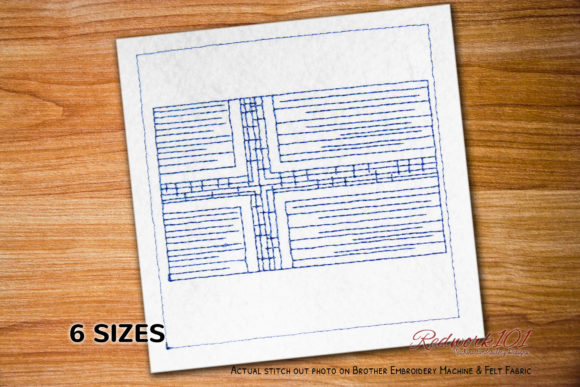
The moment I pulled up the preview for Iceland Flag Lineart, the immediate impression was one of modern minimalism. Unlike busy, filled-in patterns that can sometimes look heavy on lightweight fabrics, this lineart style feels airy and contemporary. It strikes a balance between rustic charm and elegant simplicity. For a seller targeting customers who appreciate Scandinavian aesthetics or travel-inspired decor, this is a goldmine. The design does not scream for attention with loud colors; instead, it invites the viewer to look closer. This subtle approach works exceptionally well for small shop product lines that aim for a boutique feel rather than a souvenir shop vibe. While the product category lists Independence Day, the clean lines make it versatile enough for year-round sales, appealing to those celebrating heritage or simply loving Nordic design.
Product Application and Market Fit
When evaluating where Iceland Flag Lineart shines, I mentally place it on various items in my inventory. On a natural canvas tote bag design, the stark contrast of the flag against the neutral background creates a striking focal point. It transforms a generic bag into a statement piece about identity and travel. Similarly, for apron embroidery, the lineart style prevents the design from becoming too stiff or overwhelming on a garment that needs to drape well.
One of the strongest applications I foresee is on tea towel embroidery. Kitchen textiles are huge sellers at craft fairs, and the open nature of lineart allows the texture of the waffle or linen weave to show through, adding depth to the handmade product. For those making embroidered patch options, this design is ideal because the simplified shapes translate well to smaller scales without losing definition. However, when considering caps, one must be cautious. The curved surface of a baseball cap can distort wide designs, so positioning is key. If you are an Etsy seller creating printable mockup images for your listings, this design photographs beautifully because the lack of dense fill reduces shadowing, making the online image match the physical reality.
Production Practicality for Batch Selling
For the busy craft fair vendor, time is money. A major advantage of Iceland Flag Lineart is its potential for speed. Lineart typically requires fewer stitches than satin-filled counterparts, meaning your machine spends less time per item. This efficiency is crucial when you need to produce twenty matching tote bags before Saturday morning. The design appears repeatable and consistent, which helps maintain brand consistency across your booth display. Whether you are selling commercial embroidery items or one-off gifts, the ability to hoop and go without excessive thread changes or trim jumps increases your profit margin. Furthermore, because the design relies on outlines, it uses less thread overall, reducing material costs—a vital consideration for any creative entrepreneur.
Critical Considerations for Execution
Despite its strengths, no design is without its challenges. Before committing to a full production run, there are several technical factors to review. The product description notes that "The Box Stitch shown in picture is optional." This is a critical detail. If you choose to include the box, ensure the stitch density does not become too high, which could cause puckering on lighter fabrics. If you skip the box color as suggested, verify that the remaining lines provide enough structure so the flag doesn't look incomplete.
- Fabric Texture: On highly textured towels, very fine lines might get lost. Test the design on your specific fabric weight to ensure clarity.
- Thread Contrast: Since this is lineart, the choice of thread colors is paramount. On dark fabric, you will need a bright, high-contrast thread to ensure the lines pop. On white fabric, ensure the thread has enough sheen or depth to stand out.
- Small Details: Check the spacing between the lines. If the design is scaled down too much for a small pouch, the lines might merge. Always confirm the minimum viable size.
- Stabilizer Choice: Even with lower stitch counts, using the right stabilizer is non-negotiable to prevent distortion, especially on stretchy fabrics like t-shirts or caps.
Maximizing Buyer Engagement
In a crowded craft fair aisle, Iceland Flag Lineart offers a sense of sophistication. Customers often equate clean, precise line work with high-quality craftsmanship. When a buyer sees a perfectly executed outline with no stray threads or puckering, their perception of the product value increases immediately. This design encourages engagement because it sparks conversations about travel, heritage, and design preferences. It serves as an excellent conversation starter at your booth, allowing you to connect with customers on a personal level. For digital sellers, offering this as a digital embroidery file appeals to hobbyists who want professional-looking results without the hassle of digitizing complex shapes themselves.
Final Designer Notes and Recommendations
Before you list this item or load it into your machine for a big order, treat it like any other professional asset. Do not assume the hoop size fits your specific machine without checking the file details provided by the creator. Since the exact stitch count and file formats are not explicitly detailed in the short description, you must verify these specs to ensure compatibility with your equipment.
My strongest advice is to create at least one real physical mockup. Sew it onto a scrap piece of the exact fabric you intend to sell. Wash it, dry it, and inspect it. Does the fabric texture interfere with the lines? Does the optional box add value or clutter? Confirm your commercial licensing terms explicitly; just because you bought the file does not automatically grant rights to sell finished goods unless stated. By taking these precautions, Iceland Flag Lineart can become a staple in your craft fair product lineup, delivering both aesthetic appeal and practical profitability for your handmade business.