Close Up Dried Peanuts Redwork Design Review
As I stand in my studio preparing for the upcoming weekend craft fair, my table is covered in potential inventory: canvas tote bags, linen aprons, textured tea towels, and stacks of blank caps. The success of a booth often hinges on the visual impact of the machine embroidery design chosen to transform these blanks into desirable handmade products. Today, I am evaluating the Close Up Dried Peanuts Redwork Design to determine if it earns a spot on my production list. This isn't just about aesthetics; it is a business decision regarding what will stop a customer in their tracks and compel them to open their wallet.
First Impressions and Market Appeal
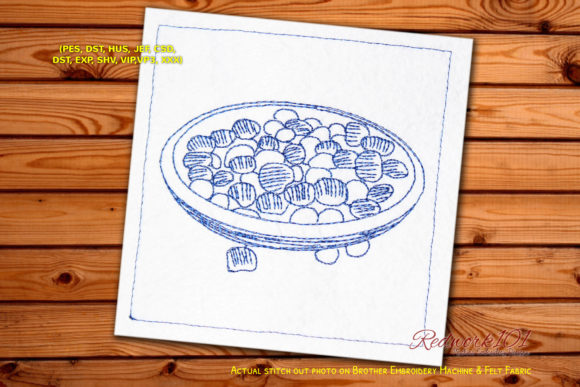
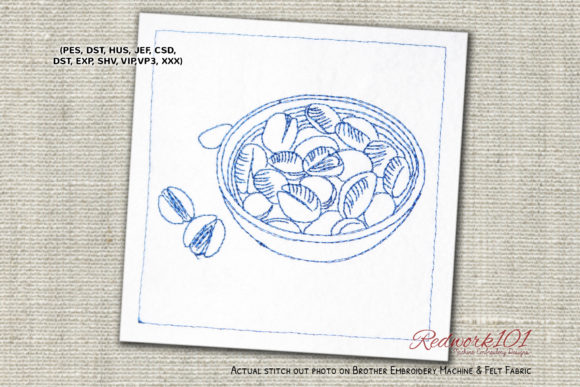
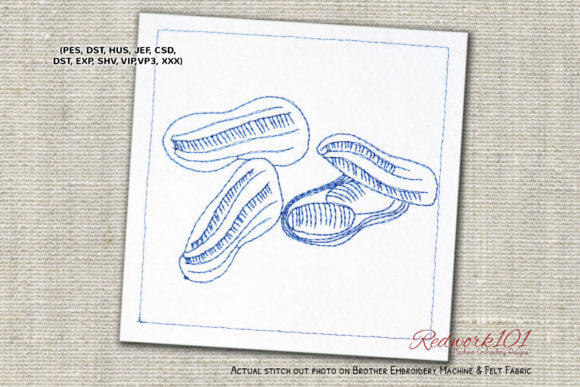
The moment I load the preview of the Close Up Dried Peanuts Redwork Design, the vibe is unmistakably rustic and farmhouse-chic. In the current market, food-themed embroidery is having a significant moment, particularly designs that evoke nostalgia, country kitchens, and simple living. A "close up" perspective suggests a bold, graphic quality rather than a tiny, intricate botanical sketch. This is crucial for a craft fair product where buyers are walking past tables quickly. They need to understand the image within seconds.
The redwork style, traditionally utilizing a single thread color against a neutral background, offers a timeless elegance. It feels less like a modern digital print and more like a heritage piece. For an Etsy seller or boutique maker, this aesthetic bridges the gap between vintage charm and contemporary minimalism. It screams "homemade with love" without looking cluttered. If your brand focuses on kitchenware, gardening gifts, or rustic home decor, this design fits perfectly into that narrative.
Product Versatility and Placement
When considering where to apply this embroidery file, the options for the Close Up Dried Peanuts Redwork Design are extensive. Its likely bold lines make it an excellent candidate for a tote bag design. On a natural canvas tote, a deep red or burnt orange stitch would pop beautifully, creating a statement piece for grocery shopping or farmers' market runs. Similarly, for apron embroidery, placing this motif on the bib or the lower pocket adds a playful yet functional touch that appeals to home cooks and professional chefs alike.
I am also considering its use on tea towel embroidery. Waffle weave or flour sack towels provide a wonderful texture, but one must be careful with stitch density. A redwork design is typically less dense than a fill-heavy logo, which is advantageous here. It allows the fabric's texture to breathe while still providing a clear image. For smaller items like embroided patches or fabric pouches, the "close up" nature of the peanuts ensures the subject remains recognizable even when scaled down, provided the details aren't too fine.
For those selling digital embroidery file assets, this design could be marketed as part of a "Farmhouse Kitchen" collection. However, for physical sellers, the real value lies in finished goods. Imagine a display featuring a set of matching pillow covers and market bags; the consistency creates a strong visual block that draws the eye across the booth.
Production Practicalities and Technical Notes
Before committing to batch production, a professional designer must look at the technical constraints. The product description notes that "The Box Stitch shown in picture is optional." This is a critical detail. In a production environment, skipping unnecessary elements can save time and thread. If the box does not add structural value or framing necessity, omitting it streamlines the process. Furthermore, the note states, "The color of outer Box is different color in most of the designs unless it is part of the design itself, you can skip the color dire." This implies flexibility in thread colors. As a maker, I appreciate this freedom. It allows me to match the thread to my specific fabric stock—perhaps using a sage green for a spring collection or a classic crimson for holiday sales.
However, caution is required regarding hoop size and placement. While the text does not specify the exact dimensions, a "close up" design often requires a larger hoop to capture the detail without crowding. Always check the specific file specs before purchasing. Additionally, when working on curved surfaces like caps, ensure the design width fits the front panel without distorting. Redwork can sometimes look sparse on thick materials if the stitch length is too long, so testing on scrap fabric identical to your final product is non-negotiable.
Careful-Use Considerations
- Fabric Texture: Highly textured towels or looped fabrics can swallow small details. Ensure the peanut shells have enough definition to stand out against the pile.
- Dark Fabric: Redwork relies on contrast. If stitching on navy or black, ensure the thread color is bright enough to be seen from a distance.
- Small Lettering: If the design includes any text (which is common in food themes), verify it remains legible at your intended size. Small lettering often needs to be removed or enlarged for clarity.
- Stabilizer Choice: Even with low-density redwork, using the correct stabilizer prevents puckering, especially on stretchy knits or lightweight linens.
Visual Impact and Customer Engagement
In a crowded marketplace, the Close Up Dried Peanuts Redwork Design has the potential to be a conversation starter. Food imagery triggers an emotional response; it feels warm, inviting, and relatable. Customers often buy with their eyes first, and a well-executed embroidery sample acts as a tangible proof of quality. When a buyer sees clean stitches and a charming design on a high-quality linen napkin, they perceive higher value. This elevates a simple small shop product into a premium gift item.
Photography is another area where this design shines. For online listings, the high contrast of redwork creates stunning printable mockup opportunities. The clean lines photograph well in natural light, making it easier to create compelling social media content. Whether you are posting a flat lay on Instagram or a lifestyle shot of an apron in use, the design provides a clear focal point that doesn't get lost in the background noise.
Final Verdict for the Creative Entrepreneur
Integrating the Close Up Dried Peanuts Redwork Design into your lineup is a strategic move for those targeting the farmhouse and culinary niches. It offers the perfect balance of simplicity and character. However, success depends on execution. Do not assume the file is ready for immediate mass production without verification. Always confirm commercial licensing terms before selling finished items derived from digital downloads. Check the stitch count to estimate production time accurately, ensuring your pricing model remains profitable.
Create at least one real mockup before listing. Compare how the design looks on cream versus white fabric, or how it pairs with different thread shades. These small adjustments can make the difference between a product that sits on the shelf and one that sells out by noon. By treating this design asset with the care it deserves, you can turn a simple image of dried peanuts into a cornerstone of your commercial embroidery offerings, delighting customers who appreciate the charm of handmade goods.