Compass Lineart Design: A Designer's Review for Gifts
As an embroidery designer who spends more time staring at stitch simulations than most people spend watching television, I am always on the hunt for designs that bridge the gap between modern minimalism and timeless sentiment. Recently, I had the opportunity to test the Compass Lineart Design for a potential addition to my personalized gift shop catalog. My goal was simple: determine if this digital embroidery file could hold up under the scrutiny of real-world production for baby products, wedding keepsakes, and home decor. After running several test stitches and planning mockups for various applications, I am ready to share my findings with fellow Etsy sellers, crafters, and small business owners looking to elevate their handmade product offerings.
First Impressions: Mood and Aesthetic Appeal
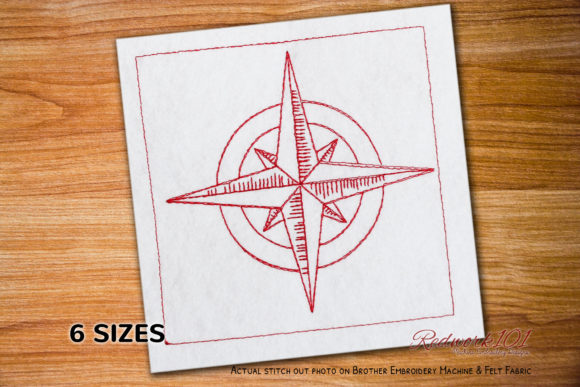
The moment I loaded the Compass Lineart Design into my editing software, I was struck by its clean, airy aesthetic. Unlike heavy, fill-heavy motifs that can sometimes look dated or overly bulky on modern linens, this design relies on the elegance of line work. It feels incredibly classic yet undeniably modern. There is a specific charm to line art; it suggests sophistication without shouting for attention. The mood is navigational and hopeful, making it a perfect emotional fit for gifts marking new beginnings, such as a baby's arrival or a couple's first home.
For those of us selling handmade products, the perceived value of a design often comes down to how "expensive" it looks once stitched. This compass motif scores high marks here. Its simplicity allows the quality of the thread and the texture of the fabric to shine through, creating a finished product that feels bespoke rather than mass-produced. Whether you are targeting the Beach lifestyle market with nautical themes or aiming for a neutral nursery vibe, this design adapts beautifully.
Versatility Across Product Categories
One of the strongest assets of the Compass Lineart Design is its versatility. In my testing phase, I visualized this machine embroidery design across a wide range of items. Here is where I believe it will perform best for your custom orders:
- Baby Embroidery: Imagine this stitched onto a muslin swaddle blanket or a knit onesie. The open nature of the line work means it remains soft and flexible, crucial for baby embroidery where comfort is paramount.
- Wedding Gifts: This design is a standout candidate for wedding keepsakes. Stitched in white-on-white or metallic gold thread on a linen table runner, it serves as a subtle, elegant wedding gift that couples will treasure.
- Kitchen and Bath: An embroidered towel featuring this compass adds a touch of wanderlust to a guest bathroom or kitchen. It pairs exceptionally well with waffle weave or Turkish cotton.
- Tote Bags and Aprons: For the practical crafter, this design scales well for tote bags and aprons. It offers a professional look for craft fair products that appeals to buyers looking for unique, small shop products.
- Pillow Covers and Decor: As a focal point on a decorative pillow cover, the design brings a curated, interior-designer feel to nursery decor or living room accents.
Technical Considerations and Fabric Challenges
While the aesthetic is stunning, every experienced embroiderer knows that beauty lies in the execution. When working with line art, particularly on textured fabrics, there are specific challenges to address. Because the Compass Lineart Design utilizes fine lines, it requires careful attention to stitch density. If the density is too low, the fabric may show through excessively on dark materials; if too high, the design may become stiff.
I strongly advise testing this embroidery file on scrap fabric before committing to a customer order. Pay close attention to the following scenarios:
- Textured Fabric: On thick towels or looped terrycloth, fine lines can get lost. You may need to adjust your underlay settings or choose a slightly heavier weight thread to ensure visibility.
- Stretchy Baby Clothes: When applying this to stretchy knits for baby embroidery, the choice of stabilizer is critical. A cut-away stabilizer is often safer than tear-away to prevent the design from distorting after repeated washing.
- Dark Fabric: Line art can vanish on black or navy backgrounds. Always create a printable mockup or do a physical test to check thread colors contrast. You might need to increase the stroke width slightly in your software if the original file appears too delicate on dark goods.
- Curved Surfaces: If stitching on a curved item like a cap or a rounded pillow, ensure your hooping technique is flawless to avoid registration errors in the continuous lines of the compass.
It is also important to note the product description detail regarding the outer box. The documentation states: "Compass The Box Stitch shown in picture is optional. The color of outer Box is different color in most of the designs unless it is part of the design itself, you can skip the color directly in your ma." This implies that you have flexibility in the design structure. As a designer, I recommend reviewing the layers in your embroidery software. If the box distracts from the clean line look you want for a specific personalized gift, you can likely deselect that element to streamline the aesthetic.
Enhancing Giftability and Customer Trust
In the world of Etsy seller competition and commercial embroidery, the emotional connection drives sales. The Compass Lineart Design excels here because it symbolizes direction, guidance, and adventure. When a customer sees this design on a blanket embroidery project or a custom tote, they aren't just seeing a pattern; they are seeing a message. This emotional resonance increases the perceived value of your finished product.
Furthermore, clean line art photographs exceptionally well. For your online listings, this design allows for crisp, high-contrast images that look professional on social media feeds. High-quality product photography combined with a design that looks inherently "handmade" builds significant buyer engagement and trust. Customers are more likely to purchase a custom embroidery item when the design looks precise and intentional.
Final Verdict and Practical Notes
After thorough review, the Compass Lineart Design earns a solid spot in my library of go-to motifs for seasonal and year-round collections. It is particularly effective for the Beach category, evoking coastal vibes without being cliché. However, success depends on preparation. Before selling items made with this digital embroidery file, ensure you confirm the hoop size requirements relative to your machine's capabilities. While specific stitch counts were not provided in the brief, always check the file properties in your digitizing software to ensure the stitch count aligns with your production time estimates.
Additionally, always verify the licensing terms. Ensure that the license covers commercial embroidery if you plan to sell finished goods. If details regarding the license or specific file formats are missing from your download, contact the creator immediately. Never assume commercial rights are included unless explicitly stated.
In conclusion, for embroidery makers and gift shop owners seeking a design that balances elegance with versatility, this compass motif is a winner. With proper testing on your chosen fabrics and thoughtful application of stabilizers and thread choices, it can become a staple in your lineup of cherished, personalized treasures.