Father Kissing Boy Lineart: A Pro Review for Merch
As an embroidery designer who spends most of my days digitizing logos and reviewing files for commercial production, I approach every new machine embroidery design with a critical eye. It is not just about whether the image looks cute on a screen; it is about how that digital embroidery file translates into thread on fabric. Recently, I took a close look at the Father Kissing Boy Lineart, a piece categorized under Father S Day themes but possessing a versatility that extends far beyond a single holiday. For small business owners, boutique creators, and apparel decorators, this design offers a unique opportunity to inject warmth and humanity into branded merchandise.
First Impressions and Visual Personality
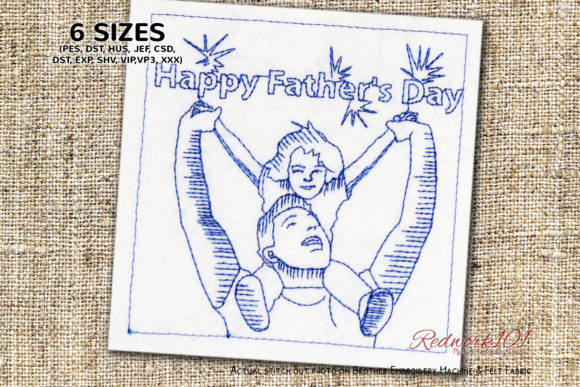
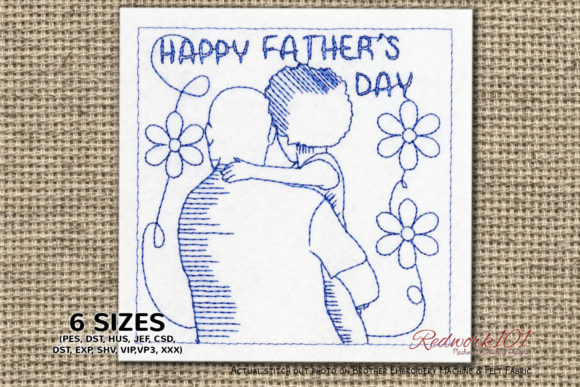
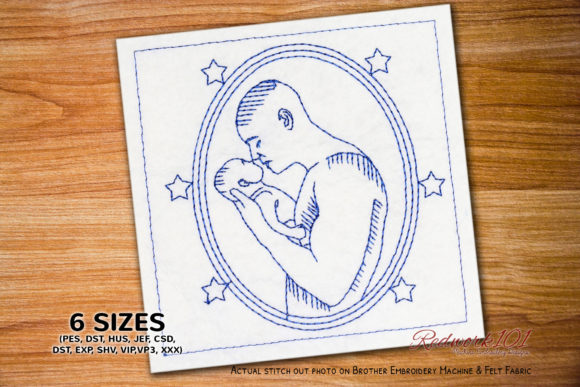
The immediate impression of the Father Kissing Boy Lineart is one of tenderness and simplicity. In the world of branding, line art is often synonymous with modern minimalism, but here it serves a deeper emotional purpose. The design feels handmade yet clean, striking a balance between rustic charm and professional elegance. Because the description notes that "The Box Stitch shown in picture is optional," this suggests a flexible layout. This is crucial for business use. A rigid border can sometimes limit where a logo can be placed, but an optional box means you can adapt the core imagery—the intimate moment between father and son—to fit various shapes and spaces.
The aesthetic is undeniably friendly and classic. It avoids the overly cartoonish style that can sometimes cheapen a brand, opting instead for a silhouette or outline approach that reads well even from a distance. For a creative studio, a family-oriented bakery, or a local florist, this visual personality signals care, connection, and tradition. It tells a story without needing words, which is the hallmark of effective visual branding.
Real-World Applications for Small Business Merch
When evaluating a design for small business merch, I always ask: "Where does this live on the product?" The Father Kissing Boy Lineart shines in several specific applications:
- Embroidered Patches: This is perhaps the strongest use case. The clean lines of the artwork translate beautifully into a woven or embroidered patch. Businesses can sew these onto denim jackets, canvas backpacks, or tote bags as a limited-edition run for Father S Day. The optional box stitch allows the patch to be die-cut to the shape of the figures, creating a premium, custom feel.
- Staff Uniforms and Aprons: For cafes or boutiques with a family-owned narrative, placing this design on the chest of a staff shirt or the bib of an apron embroidery project adds a layer of authenticity. It humanizes the brand, reminding customers that real families are behind the service.
- Cap Embroidery: The simplicity of line art makes it ideal for cap embroidery, where space is limited and curve distortion is a risk. Placed on the side panel or even the front of a dad hat, it serves as a subtle brand mark rather than a loud billboard.
- Tote Bag Design: Canvas totes are staples for market vendors and Etsy sellers. This design works exceptionally well as a central tote bag design element. The open spaces in the line art prevent the fabric from puckering, ensuring the finished product lays flat and looks professional.
Technical Considerations for Production
While the artistic merit is high, a professional review must address the technical realities of commercial embroidery. The description mentions that "The color of outer Box is different color in most of the designs unless it is part of the design itself, you can skip the color directly." This is a vital note for production efficiency. Fewer color changes mean faster run times and lower labor costs. However, it also places the responsibility on the decorator to ensure sufficient contrast.
Here are critical factors to consider before running this design on your machine:
- Stitch Density and Fabric Texture: Line art relies on the negative space to define the image. If the stitch density is too high, the details may merge, turning a delicate kiss into a solid blob. Conversely, on textured fabrics like Terry cloth or heavy canvas, the stitches might get lost. Always test on the actual fabric you intend to use.
- Small Patch Sizes: If you plan to scale this down for a small label or a tiny pocket logo, be wary of losing definition. Fine lines in line art can break or become indistinguishable if scaled too small. Verify the minimum viable size with your digitizer or by running a test sample.
- Thread Colors: Since the outer box color is variable, you have the freedom to match your brand palette. However, ensure your thread colors provide enough contrast against the garment color. A dark thread on a dark uniform will render the design invisible, defeating the purpose of the branding.
- Stabilizer Selection: To maintain the crispness of the lines, using the correct stabilizer is non-negotiable. For stretchy fabrics like t-shirts, a cut-away stabilizer is recommended to prevent distortion over time, especially for items that will undergo frequent washing.
Impact on Brand Identity and Customer Trust
Incorporating the Father Kissing Boy Lineart into your product lineup does more than just decorate an item; it strengthens your brand identity. In an era where consumers crave connection, displaying imagery that celebrates family bonds fosters trust. It suggests that your business values relationships, heritage, and emotion.
For handmade brands and Etsy sellers, this design elevates the perceived value of the handmade product. It moves the item from being a generic commodity to a meaningful gift. When a customer sees this level of thoughtful detail on a custom apparel piece or a branded accessory, it reinforces the idea that the seller cares about quality and presentation. This visual consistency across your design assets—from your website mockups to the physical embroidered patch—creates a cohesive brand experience that encourages buyer engagement and loyalty.
Designer Notes and Best Practices
Before committing to a large production run of Father Kissing Boy Lineart, I recommend a strict testing protocol. First, test it in black and white. If the design relies solely on color to distinguish the father from the boy or the background, it may fail when stitched in monochrome or on low-contrast fabrics. Second, create a printable mockup to show clients or visualize the placement on different garments. This helps confirm if the optional box enhances or clutters the composition for your specific use case.
Furthermore, always confirm commercial licensing before business use. While the design is available for purchase, ensuring you have the rights to sell finished goods featuring this artwork is essential for legal protection. Finally, check the specific hoop size requirements. Even though the box is optional, the digitized file may have a minimum hoop requirement to accommodate the full design matrix. If these details are not explicitly provided in the file description, reach out to the creator or perform a manual measurement in your embroidery software.
In conclusion, the Father Kissing Boy Lineart is a versatile, emotionally resonant asset for any business looking to expand their Father S Day offerings or add a touch of warmth to their year-round merchandise. With careful attention to stitch settings, fabric choice, and placement, it can become a standout feature in your catalog of custom apparel and branded goods.