Sweet Chestnut: A Cozy Review for Personalized Gifts
As an embroidery designer who has spent years testing thousands of patterns for client orders, I approach every new machine embroidery design with a critical eye. It is not just about how it looks on the screen; it is about how it performs on real fabric, how it withstands washing, and whether it resonates with the customer looking for a meaningful personalized gift. Recently, I had the opportunity to review the Sweet Chestnut design, a charming piece from the Food category that brings a touch of autumnal warmth to any project. This review is written for fellow Etsy sellers, crafters, and small business owners who need to know if this design is ready for their shop shelves.
First Impressions: Warmth and Nostalgia
When I first loaded the digital embroidery file for Sweet Chestnut into my software, the immediate feeling was one of comfort. There is something inherently inviting about chestnuts; they evoke memories of roasting over open fires, crisp fall air, and cozy gatherings. The design captures this mood perfectly. It feels less like a generic clip-art image and more like a handmade product waiting to happen. The lines appear clean, suggesting a balance between detail and durability. For a designer, this is crucial. We need designs that look intricate enough to be valuable but robust enough to survive the life of a finished item.
The emotional appeal of Sweet Chestnut is strong. It leans towards the classic and seasonal side of aesthetics, making it an excellent candidate for autumn collections, Thanksgiving decor, or winter holiday gifts. However, its simplicity also allows it to work as a year-round motif for those who love nature-inspired themes. Whether you are creating a wedding gift for a couple who loves the outdoors or a nursery item for a baby born in the fall, this design carries a gentle, organic charm that buyers instantly connect with.
Versatility Across Product Lines
One of the most exciting aspects of testing Sweet Chestnut was visualizing its application across different products. In my experience, a versatile design is a profitable one. Here is how I see this pattern fitting into various product categories:
- Baby Embroidery: Imagine this stitched onto a soft muslin swaddle or a knit baby blanket. The organic theme pairs beautifully with neutral earth tones, appealing to modern parents.
- Kitchen Linens: An embroidered towel featuring chestnuts adds a rustic touch to a farmhouse kitchen. It works wonderfully on flour sack towels or tea cozies.
- Home Decor: A pillow cover with this design can anchor a living room sofa during the cooler months. It also looks striking on a table runner.
- Apparel and Accessories: Custom tote bags and aprons are huge sellers at craft fairs. Sweet Chestnut provides a focal point that elevates a plain canvas bag into a small shop product with character.
- Wedding Keepsakes: For rustic or woodland-themed weddings, this could be embroidered on ring bearer pillows or guest book covers.
The key to success with Sweet Chestnut lies in matching the design to the right customer. Buyers looking for custom embroidery often want items that feel personal and thoughtful. This design signals that the maker cares about quality and theme, enhancing the perceived value of the finished product.
Technical Considerations and Fabric Challenges
While the aesthetic is delightful, a professional review must address the technical realities of stitching. Not all fabrics behave the same way, and Sweet Chestnut requires some strategic planning. When working with textured fabric like waffle weave towels or thick terry cloth, the fine details of the chestnut shell might get lost if the stitch density is too low. Conversely, on stretchy baby clothes, you must ensure the design does not pucker the fabric.
Here are specific areas where caution is advised:
- Small Lettering and Details: If the design includes tiny text or very fine lines, these can become indistinct on dark fabrics or high-pile materials. Always check the zoomed-in preview in your software.
- Curved Surfaces: Stitching on items like baseball caps or rounded pillow forms requires careful hooping. The chestnut shape should remain symmetrical, which can be challenging on curved planes.
- Dark Fabric Contrast: The natural brown tones of a chestnut might blend too much into chocolate or black fabrics. You may need to adjust the thread colors to include highlights or outlines that pop against the background.
- Frequent Washing: Items like aprons and towels undergo rigorous cleaning. Ensure the satin stitches covering the chestnut edges are dense enough to prevent fraying after multiple wash cycles.
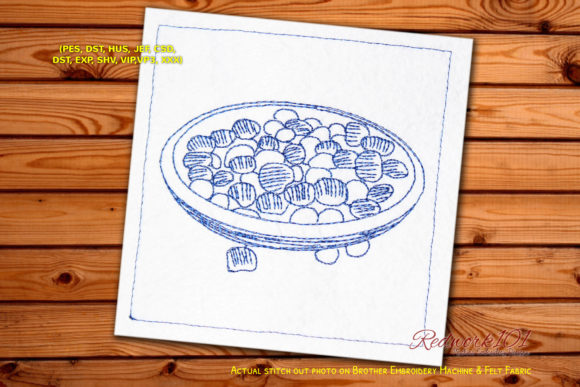
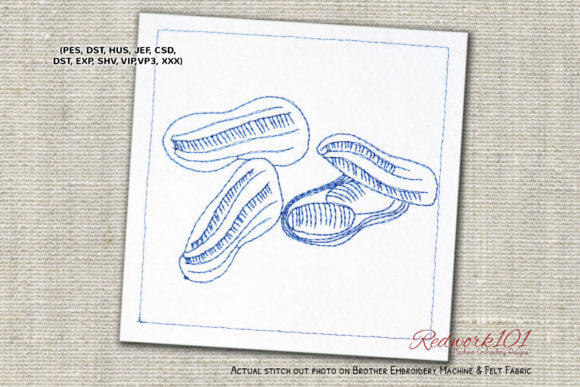
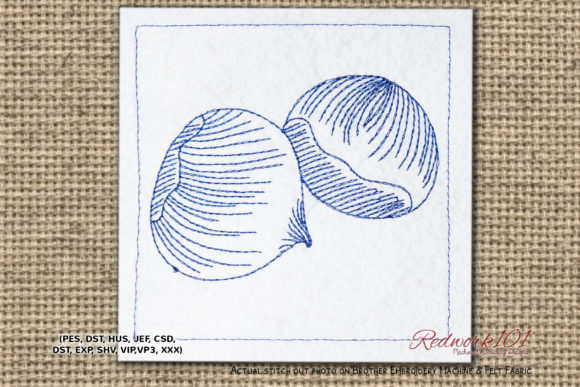
It is also important to note the specific instruction provided with this design: The Box Stitch shown in picture is optional. The color of outer Box is different color in most of the designs unless it is part of the design itself, you can skip the color directly in. This flexibility is a massive advantage for commercial embroidery. It means you can adapt the framing of the design to match your customer's brand colors or the specific fabric hue without being locked into a rigid border. However, because exact specifications like stitch count, specific file formats, and precise hoop size requirements are not detailed in the brief description, I strongly advise checking the full product listing or contacting the creator before purchasing to ensure it fits your machine's capabilities.
Enhancing Giftability and Customer Trust
In the world of online selling, particularly for an Etsy seller, product photography is everything. Sweet Chestnut photographs exceptionally well. Its distinct shape and warm colors create a focal point that draws the eye in a thumbnail image. When potential customers see a high-quality printable mockup or a photo of the actual stitched item, they can immediately visualize owning it. This emotional connection drives engagement and sales.
Using a well-executed design like this builds customer trust. When a buyer receives a personalized gift that looks professional and feels durable, they are more likely to return for future purchases. The "handmade" quality of embroidery adds a layer of luxury that mass-produced prints cannot replicate. By choosing a design that feels both timeless and trendy, you position your brand as a curator of quality goods.
Practical Steps Before Production
Before you list Sweet Chestnut in your shop or promise it to a client, follow these practical steps to ensure success:
- Test on Scrap Fabric: Never run a new design on a final product first. Use scraps of the exact material you plan to sell to check for puckering or registration issues.
- Check Thread Color Contrast: Verify that your chosen thread palette provides enough definition, especially if stitching on navy, black, or patterned fabrics.
- Confirm Hoop Size: Ensure the design fits within your available hoop dimensions. Since specific dimensions were not provided, measure the design in your software immediately.
- Review Stitch Density: Look at the stitch count relative to the size. Too few stitches can look sparse; too many can make the fabric stiff.
- Use Proper Stabilizer: Match your stabilizer to the fabric weight. Cut-away stabilizer is often best for stretchy knits, while tear-away works for stable wovens.
- Compare Light and Dark Mockups: Create digital mockups on both white and dark backgrounds to see how the optional box stitch affects the overall look.
- Verify Licensing: Always confirm the commercial licensing terms. Ensure you have the right to sell finished products made with this embroidery file.
In conclusion, Sweet Chestnut is a promising addition to any embroidery designer's library. Its blend of seasonal charm and adaptable structure makes it ideal for a wide range of Food and nature-themed projects. With careful attention to fabric choice and technical setup, this design can help you create stunning, high-value items that customers will cherish. As always, due diligence in testing and verifying file details is the hallmark of a professional crafter.